


Who Can Foster a Child?
Fostering is open to a wide range of individuals and families who can provide a stable, nurturing environment for vulnerable children in need of care.
Discover all the qualities you need to make a lasting difference in a child’s life.
Enquiry today
What is the fostering criteria?
Right now across the Midlands there are so many children waiting for a loving home, and you might very well be the right person to provide them with a safe and nurturing place to stay.
There are a few essentials to be considered for becoming a foster parent:
- You must be over the age of 21
- You must have a spare bedroom which is always available for a child
- You must have the right to work in the UK
- You must have a passion for helping children
Diversity in fostering
Some people worry that they may be disqualified form fostering because of their identity, but this couldn’t be further from the truth! Fostering is very diverse, and we encourage people from all backgrounds to foster. The main requirements are based on your personal qualities and the support that you can offer a child.
We warmly welcome:
- Unmarried couples
- Single men, women and non-binary people
- LGBTQIA+ individuals and couples— all identities are warmly embraced
- People from every ethnicity and culture
- People of all religions
- Everyone over the age of 21— there is no maximum age to become a foster parent as long as you are able to support a child in your care. We work with a lot of carers who choose to foster after retirement so that they have lots of time to dedicate to a child.
Enquire today
Could you be a good candidate to foster?
Foster parents come from all walks of life, but they share one thing in common: a desire to make a positive difference in a child’s life. We look for people with excellent personal qualities, including:
- Compassion
- Dedication
- Empathy
- Kindness
- Patience
- Tolerance
- Good communication skills
- Being open to learning
Meet Lexi – Growing up in a fostering family
Fostering doesn’t just change the lives of children and young people, it can have a positive impact on the whole family.
Having grown up in a fostering household since the age of six, Lexi has shared her home with foster children and young people alongside her parents and three foster siblings. Through her experiences, she has witnessed the challenges, rewards and unforgettable moments that come with welcoming children into a family.
Watch Lexi’s story to discover what life is really like growing up in a fostering family and how fostering has shaped her life.
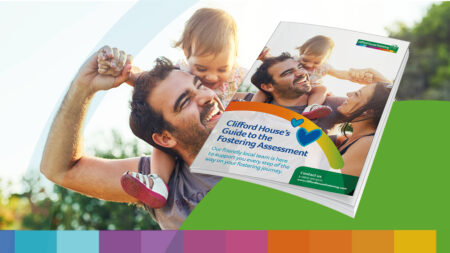
Download our Guide to the Fostering Assessment
Download our free Guide to the Fostering Assessment to learn everything you need to know about becoming a foster parent — from making your first enquiry to getting approved, being matched with a child, and the support you’ll receive along the way.
Frequently Asked Questions About Fostering
Can you work and foster?
The simple answer is yes, you can work and foster. Providing you have the time, flexibility and availability to meet a child’s needs, it is possible to balance fostering with employment. Many foster parents successfully combine work and fostering, depending on their circumstances and the type of care they provide.
Some forms of fostering can be particularly well suited to those who work, including respite fostering, where you care for a child for short periods while their foster family takes time to rest and recharge.
To find the right option for you, learn more about the different types of fostering and the support available to foster parents.
What disqualifies someone from becoming a foster parent in the UK?
Our priority at Clifford House is keeping children safe. As part of the fostering assessment process every applicant must undergo a DBS check. Having a criminal record does not automatically prevent someone from becoming a foster parent. Minor offences do not necessarily disqualify a person from fostering, and we take the time to understand each individual’s circumstances and history during the assessment process.
You also cannot foster if you have a pet in your home whose breed is registered under the 1997 Dangerous Dogs Act, which includes:
- American XL Bully (added October 2023)
- Pit Bull Terrier
- Japanese Tosa
- Dogo Argentino
- Fila Brasileiro
If you’re unsure whether your circumstances could affect your application, our team will be happy to offer advice and guidance.
Training for foster parents
We offer full training to all our foster parents. During the application process, you will attend a three day course called ‘Prepare to Foster’. This will provide you with all the information and insight you need to understand life as a foster parent. It also gives you a great opportunity to meet other prospective foster parents and ask our friendly team any questions you may have about the process.
At Clifford House we believe in Therapeutic Parenting, and take a trauma-informed approach to training. This means that we look at child’s behaviour holistically and take into account the traumas they may have experienced, tailoring each child’s care plan to their unique circumstances.
Once you are approved as a foster parent we have an extensive professional development plan in place to enhance your skills in supporting a child and allow you to fully develop your career, including an online library of e-learning and virtual training courses ran by our excellent trainers.
Speak to Our Team
Whether you’re ready to start your journey or just want to chat to an expert, we are here to talk.
"*" indicates required fields
The company takes the requirements of GDPR seriously in ensuring the privacy and lawful processing of personal data provided to us by you. Please view our privacy notice which explains how the company will manage and use your personal data. This site is protected by reCAPTCHA and the Google Privacy Policy and Terms of Service apply.